QUICK ANSWER
What the evidence says
Flight controls, stamina rules, takeoff, sustained flight, and landing steps were not confirmed in the collected P0 sources, so this guide does not invent bindings.
The current answer is that flight controls, stamina rules, takeoff, sustained flight, and landing steps are not confirmed in the collected P0 sources. The official listing describes creature Avatars, growth, hunting, survival, abilities, Techtrees, disasters, packs, and an alien world, but it does not publish a flight tutorial. This page records the gap rather than turning a generic control scheme into Harp Isles advice.
What is confirmed
The official description says players use creature Avatars and grow strong while hunting and surviving. It also mentions unique special abilities and Techtrees for boosted abilities. Those facts make movement and ability questions relevant to players, but they do not prove that every creature can fly or that flight follows a shared input.
The listing does not provide a button diagram, stamina meter rule, altitude limit, landing condition, or mobile layout. It also does not identify a specific flying Avatar or explain whether flying is an ability, a progression unlock, or a visual detail. The guide therefore uses the broad official vocabulary and leaves operational fields as TBD.
This boundary is narrower than saying “Harp Isles has no flying.” The evidence simply does not support a reliable answer about how flight works. A future source may confirm that the system exists, that it is limited to certain Avatars, or that the search term reflects a community convention. Until then, none of those possibilities should be published as fact.
Flight controls are TBD
The keyword asks how to fly, but the current materials do not confirm keyboard keys, controller inputs, touch buttons, or a sequence for takeoff. They also do not confirm whether a player must unlock flight, spend a resource, maintain stamina, or land in a particular way. A page that lists any of those details today would be speculative.
Avoid copying a familiar Roblox control pattern into the article. Jump, double-tap, hold, glide, sprint, and camera gestures are common conventions across games, not evidence about this one. The same caution applies to values such as “flight lasts thirty seconds” or “land before stamina reaches zero.” No such number is supported by the report.
The exact wording of a future in-game prompt matters. “Press to fly” would support a much narrower statement than a complete tutorial, and a mobile icon would not automatically establish a keyboard equivalent. Each input should be recorded in the context where it appears and linked to a dated source.
What a real flight guide needs
A useful guide needs four separate pieces of evidence: how a player starts flight, how flight is maintained, how the game communicates limits, and how the player returns safely to the ground. It should also distinguish Avatar-specific behavior from a universal control. Without those pieces, a single button label can create a route that fails for most readers.
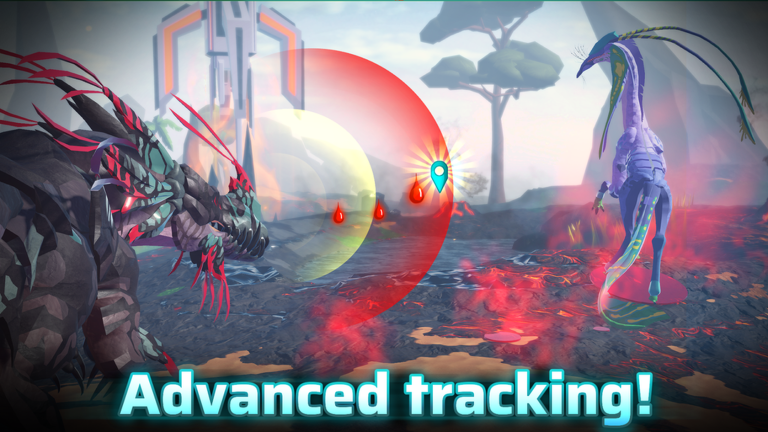
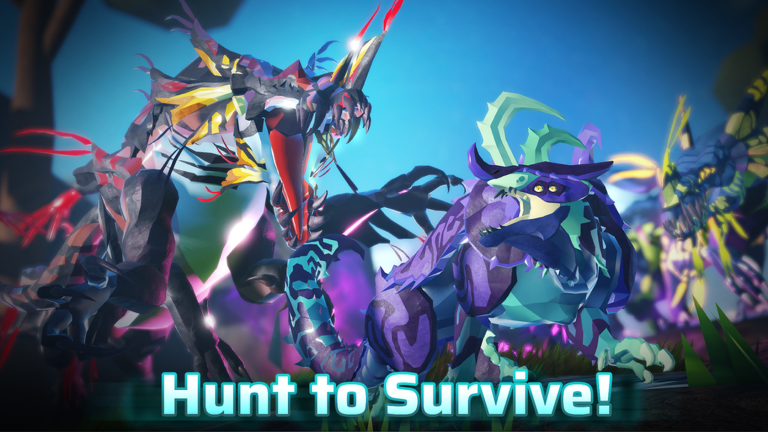
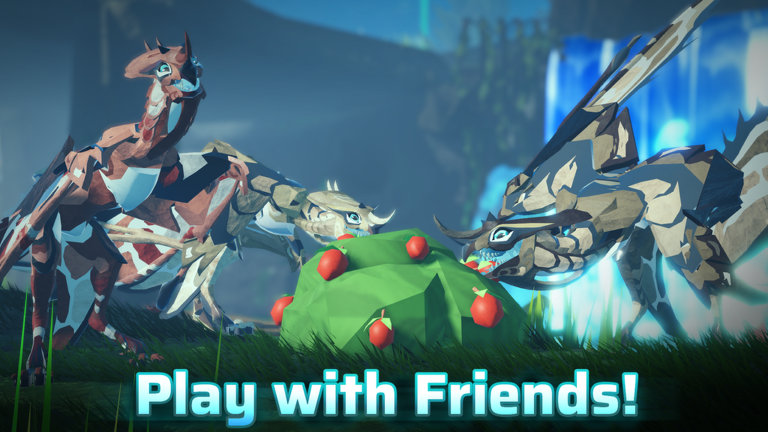
The guide should explain any prerequisite only when the source names it. If a Techtree node unlocks an ability, the node name and requirement need their own verification; the general mention of Techtrees does not prove a flight branch. If a creature image has wings, the image alone does not prove that its wings are a playable movement system.
Device coverage should be kept separate too. The report does not confirm PC, mobile, or console support at the device level, and it does not confirm cross-platform controls. A future source may document one device without answering the others. The page should then publish the known device-specific input and leave the rest as TBD.
How to document a test
If you test a possible flight input in the official experience, record the Avatar label, device, visible prompt, date, and observed result. Repeat the action after restarting or changing the relevant state if the game allows it. A single successful jump or camera movement is not enough to prove sustained flight.
Capture the failure condition as carefully as the success condition. Note whether the character rises, glides, stalls, falls, or simply changes animation, and avoid describing an animation as a mechanic until the game communicates it. If a resource bar changes, record the label and context rather than guessing that it is stamina.
Community videos can point to a test case, but the page’s source line should still identify the video as unverified if its publisher relationship is unknown. The video slot on this page is included for context only and is not proof of a control binding. A later official confirmation can replace the context with a sourced walkthrough.
Future update path
When reliable evidence arrives, update the smallest part of the page first: a control row, a prerequisite note, or a landing section. Keep the date and source visible, and do not add a broad “complete flight guide” claim until the whole loop has been checked. If the new evidence covers only one Avatar or device, label it that way.
Until then, use the Beginner Guide for the confirmed survival frame and the Creatures Guide for the roster boundary. The honest answer to “how to fly in Harp Isles?” is that the supplied official material does not yet publish the controls or rules. That is a usable status update, and it prevents readers from acting on a binding copied from another Roblox experience.
Movement evidence is especially easy to overread because an animation can look like a mechanic. A winged silhouette, a jump, a glide-like camera motion, or a temporary change in altitude may all appear in a scene without establishing a flight system. The source needs to connect the observed action to a player input or named ability before the guide can describe it as flying.
The page also keeps several questions separate because they produce different advice. A takeoff input answers how to start, while a stamina rule answers how long the state lasts. A landing animation answers what the player sees, while a landing requirement answers when the state ends. Combining those into one “hold this button” sentence would overstate what a partial observation can support.
Device labels need the same precision. A community post may show a keyboard, controller, or touch screen, but one device’s input does not prove the others. The current report does not add device-level platform claims, so the eventual guide should publish each confirmed control under its own device heading and leave unknown devices as TBD.
If a future official prompt says that a named Avatar can fly, the page should not automatically add a universal Harp Isles control. It should state the Avatar scope, the visible prompt, and the context in which the action was available. A later source can broaden the rule only when it explicitly does so.
The current unverified video does not change that boundary. It is embedded so the page can show the collected media item directly, but its publisher is unresolved and its contents are not used as a control source. A reader may use it to identify a question worth testing, while the public guide continues to wait for a traceable, current mechanic.
This gives the page a clear next step. When an official source or repeatable test confirms one part of flight, add that part with its date and source, then keep the unanswered pieces visible. Until then, the correct answer is not a guessed binding; it is that the supplied evidence does not yet document how flight works.
SOURCE NOTE
Harp Isles official Roblox listing
Open the original sourceImage source: official Roblox experience listing, localized copy. View source
UNVERIFIED VIDEO
Video context
This video appears in the collected materials, but its publisher and official Harp Atelier relationship are not confirmed.
UNRESOLVED · Do not treat this video as an official Harp Atelier upload or release announcement.PENDING VERIFICATION
What is still TBD
- Keyboard, controller, and mobile flight bindings are not confirmed.
- Stamina, takeoff, sustained flight, and landing rules remain TBD.
KEEP EXPLORING